Best Phones for Every Need in 2026
Choosing a new phone in 2026 isn’t just about the biggest name or the highest price tag — it’s about matching the phone to how you actually use it. Below, we’ve broken down our top picks into three categories, so you can find the phone that fits your life, not just your budget.
Premium Smartphones

Honor Magic V3 — At just 9.2mm folded, this is one of the thinnest foldables on the market, yet it doesn’t cut corners on power. It runs a Snapdragon 8 Gen 3 chip, packs a huge 5,150mAh battery, and supports 66W wired plus 50W wireless charging. The 50MP main camera holds up well in daylight and low light alike, and IPX8 water resistance means it can handle everyday splashes. If you want flagship performance without the bulk most foldables carry, this is it.
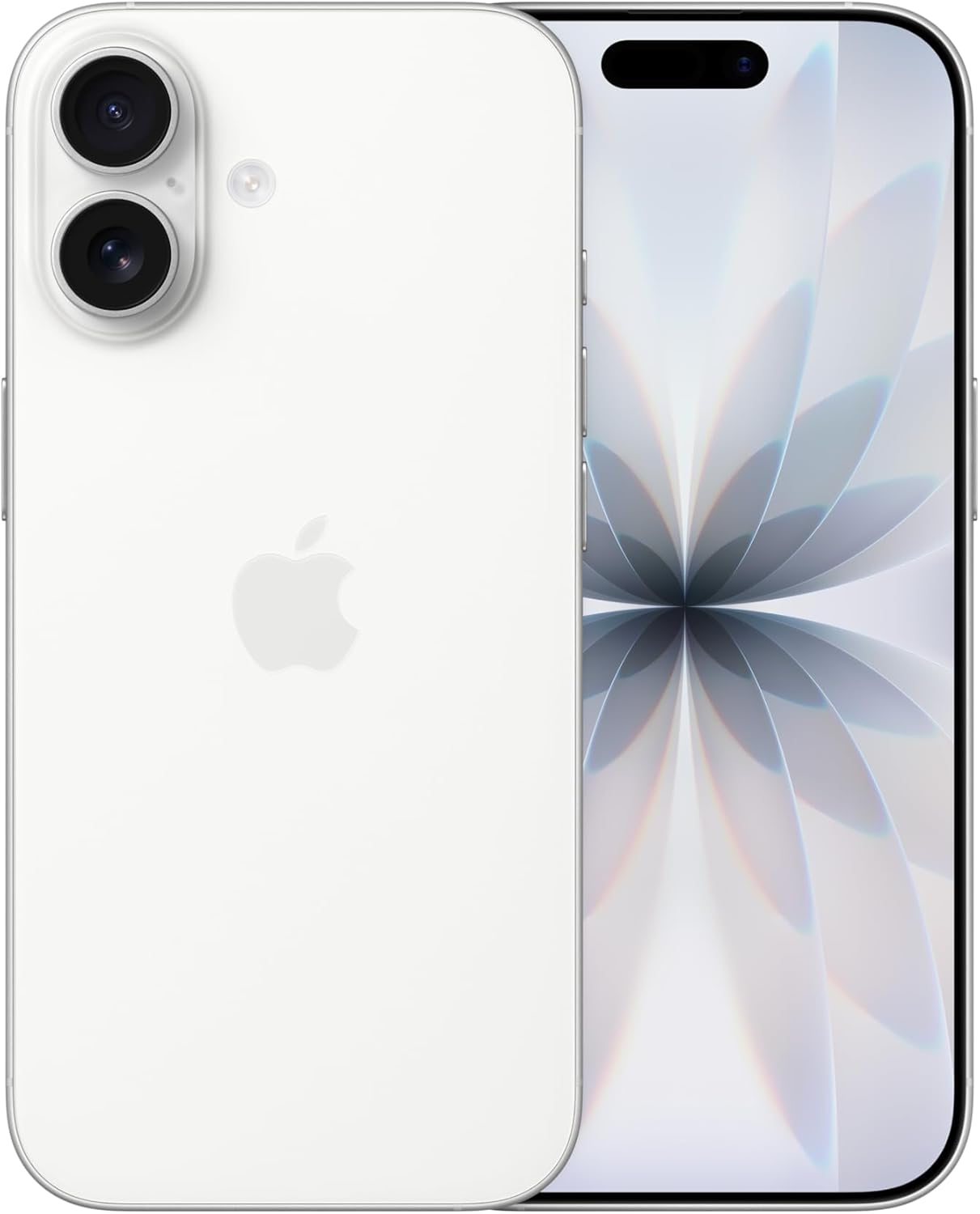
iPhone 17 — Apple’s latest standard model finally gets the features that used to be Pro-only: a 6.3-inch Super Retina XDR display with 120Hz ProMotion and an always-on screen. It’s powered by the new A19 chip, built for Apple Intelligence, with a 48MP Dual Fusion camera system that handles everything from group shots to 2x optical-quality zoom. Ceramic Shield 2 makes the front three times more scratch-resistant than before, and it charges to 50% in just 20 minutes with a 40W adapter.

Motorola Razr 50 Ultra — Proof that a flip phone doesn’t have to mean fewer features. It runs a Snapdragon 8s Gen 3 chip with 12GB RAM, and its 4-inch cover display is genuinely usable — big enough to reply to messages or check notifications without unfolding. Inside, a 6.9-inch pOLED screen runs at up to 165Hz, and the dual 50MP rear cameras (including a telephoto) punch well above what you’d expect from a compact foldable. The 4,000mAh battery supports 45W wired and 15W wireless charging.
All three take a different approach to “premium”. The Honor Magic V3 is the one to pick if battery life and screen size matter most — its 5,150mAh battery is the largest of the three, packed into the thinnest foldable body on the market. The iPhone 17 is the safest, most polished all-rounder, with the smoothest software experience and the best resale value if you’re already in the Apple ecosystem. The Motorola Razr 50 Ultra trades some screen real estate for pocketability — its flip design and genuinely usable 4-inch cover screen make it the most practical choice if you want a phone that disappears into your pocket.
Budget-Friendly Smartphones

Honor 70 Lite — Built for people who just want a dependable phone without the flagship price tag. It’s powered by a Snapdragon 480+ 5G chipset, has a 6.5-inch display, and a 5,000mAh battery that comfortably lasts a full day with room to spare. The 50MP triple camera won’t win awards, but it’s more than capable for everyday photos and video calls. A genuinely solid pick if 5G and long battery life matter more to you than camera bragging rights.

Xiaomi Poco X7 — This is where budget phones start punching above their weight. The MediaTek Dimensity 7300 Ultra chip and up to 12GB of RAM make it a strong choice for gaming, and the 6.67-inch AMOLED display runs at a smooth 120Hz. Its 5,110mAh battery is built with cold-resistant, solid-state electrolyte technology and supports 45W turbo charging. The 50MP main camera includes optical image stabilisation, which is rare to see at this price, and the whole thing is IP68 rated for dust and water resistance.

Samsung A56 — Samsung’s reliability play in the mid-range, and it shows. The Exynos 1580 chip and 5,000mAh battery deliver up to 29 hours of video playback, with 45W Super Fast Charging to top back up quickly. The 6.7-inch Super AMOLED display gets bright enough (1,200 nits) to stay readable outdoors, and the 50MP main camera is joined by a 12MP ultrawide for more flexible shots. What really sets it apart is longevity: Samsung backs it with up to 6 years of OS and security updates, which is unusual at this price point.
These three cover slightly different priorities within the same budget bracket. The Honor 70 Lite is the cheapest of the three and the one to choose if price is your only concern — its 5,000mAh battery still delivers strong everyday performance. The Xiaomi Poco X7 offers the best performance-per-pound, thanks to its Dimensity 7300 Ultra chip and 120Hz AMOLED display, making it the pick for anyone who games or multitasks heavily. The Samsung A56 costs a little more, but it justifies that with up to 6 years of software updates — the best long-term investment of the three if you plan to keep your phone for years.
AI Smartphones

iPhone 16 — The phone that brought Apple Intelligence to the mainstream. Its A18 chip handles on-device AI features smoothly, from writing tools to visual intelligence, without hammering the battery. The 48MP Fusion camera includes a built-in 2x telephoto, effectively giving you two cameras in one, and the physical Camera Control button makes capturing shots faster. At 6.1 inches, it’s the most pocketable of the current-generation iPhones and still fully USB-C.

Samsung Galaxy S25 — The most compact of the S25 lineup, built around the custom Snapdragon 8 Elite for Galaxy chip — Samsung’s first 3nm processor made specifically for its phones. Its 50MP main camera, 12MP ultrawide, and 10MP 3x telephoto are joined by genuinely useful AI features: Circle to Search, real-time call translation, and Now Brief, which summarises your day. The 4,000mAh battery is unchanged from last year, but smarter power management from the new chip stretches it further.

Samsung Galaxy Z Fold 7 — Samsung’s most refined foldable yet, and the first real generational leap in a few years. Unfolded, it opens to a spacious 8-inch display; folded, the 6.5-inch cover screen is wide enough to use like a normal phone. The headline upgrade is the camera: a 200MP main sensor, the same one used in the Galaxy S25 Ultra, paired with a 10MP 3x telephoto and 12MP ultrawide. Powered by the Snapdragon 8 Elite chip with a 4,400mAh battery, it manages up to 24 hours of video playback — genuinely impressive for a foldable this thin.
Each of these takes AI in a different direction. The iPhone 16 is the most affordable way into Apple Intelligence, in a compact, familiar form factor. The Samsung Galaxy S25 packs in the most AI features day-to-day — Circle to Search, real-time call translation, and daily AI summaries — in a standard-size flagship body. The Galaxy Z Fold 7 goes furthest, pairing the same AI smarts with a genuine multitasking screen: fold it shut for a normal phone, unfold it for a tablet-sized workspace. It’s the priciest of the three, but the only one that changes how you actually use a phone.
Just bought a new phone? Don’t forget the SIM. A great phone paired with an overpriced contract is money left on the table — check out our guide to the best big data SIM-only deals in the UK before you activate your new device.
Disclosure: TechBuyerGuide participates in affiliate programmes. We may earn a commission from qualifying purchases at no extra cost to you.